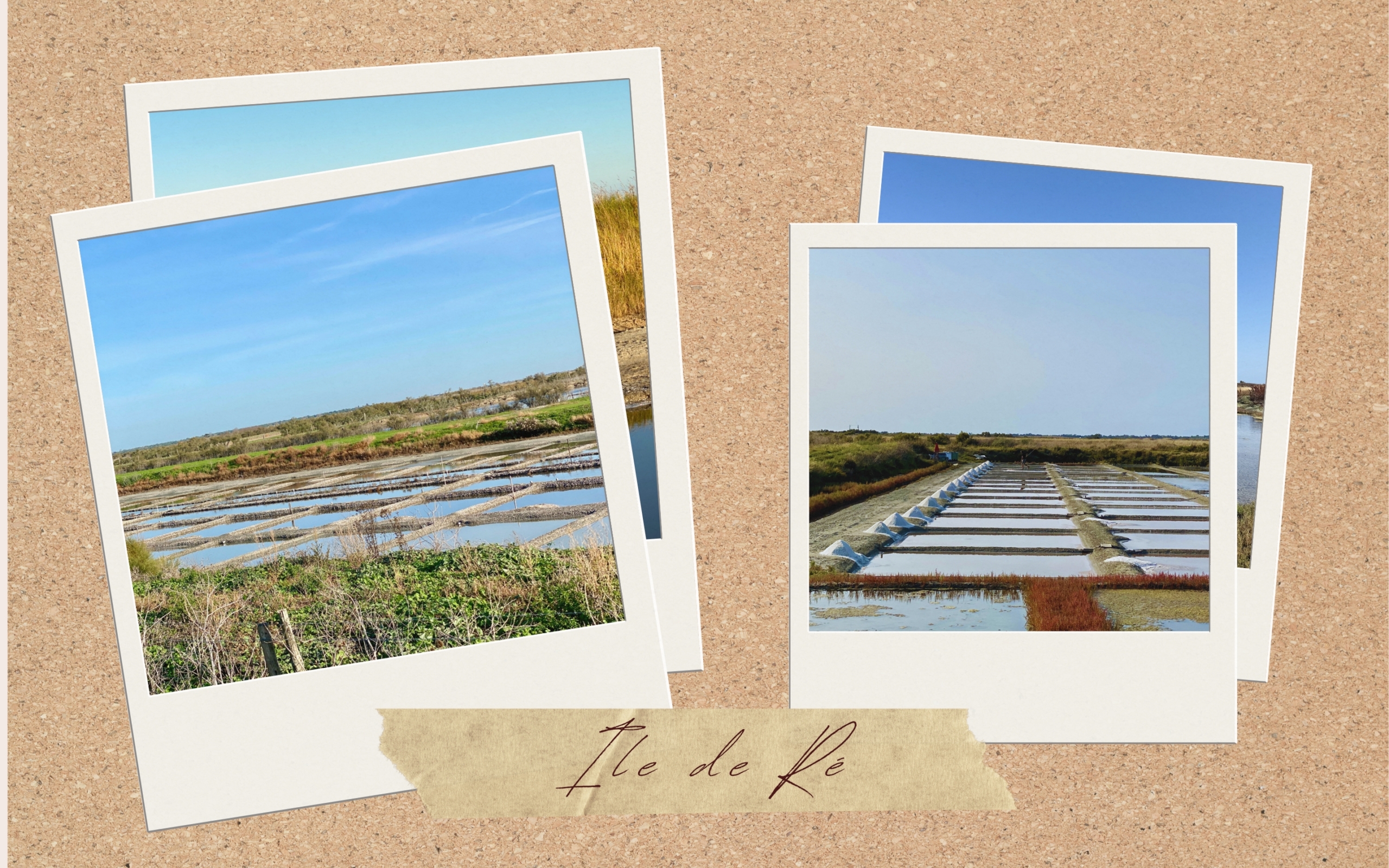
As someone who is constantly taking photographs, I now have over 84,000 images stored on my phone. Some might call it obsession; I think of it as a working archive of colour, pattern and form. From market stalls to Florentine façades, from tiled floors in India to the geometry of the salt marshes on the Île de Ré, my surroundings continually inform the rooms I design, often in subtle and unexpected ways.
When John Boyd Textiles approached me to collaborate on their first new horsehair fabric in over twenty years, that archive proved invaluable. The accumulated fragments of colour and proportion became the foundation for developing the stripe combinations within the collection.
I return to stripes again and again in my interiors. They are endlessly adaptable, capable of feeling coastal, classical, Scandinavian or contemporary depending on their scale and context. In almost every room I design there is a stripe somewhere. Sometimes stripes take centre stage; sometimes they sit quietly within the layering of a room, providing rhythm and cohesion. For me, stripes are essential.
Inspiration behind the colour palettes
The designing of this collection coincided with the renovation of our house on the Île de Ré, a place where I have spent many happy summers bicycling to the market or to the beach across the salt marshes, their white pyramids of sea salt drying in the sun.
The island’s chalky light, muted timber tones and weathered shutters subtly informed the palette. I am always thinking about mood first, about how a room should feel before how it should look. Horsehair as a material carries inherent structure and formality, so the challenge was to introduce freshness and a lively movement through colour without losing its integrity.
One palette in particular grew from a series of visual references that had been quietly sitting in my archive for years. A Biba dress I once saw at The Fashion and Textile Museum provided the starting point, its rich colours and bold geometric chevron possessing that particular seventies glamour that feels both decadent and surprisingly soft. Alongside it I kept returning to a small fragment of antique silk I have long treasured, its tones mellowed by time. And then, inevitably, there were the paintings of Van Gogh, where colour is never static but seems to vibrate with life. What interested me most was how these references, drawn from fashion, art and the natural world, shared a similar sense of depth and movement. Translating that feeling into woven stripes became an exercise in balance, layering colour so that the palette felt complex yet harmonious when viewed across the fabric.
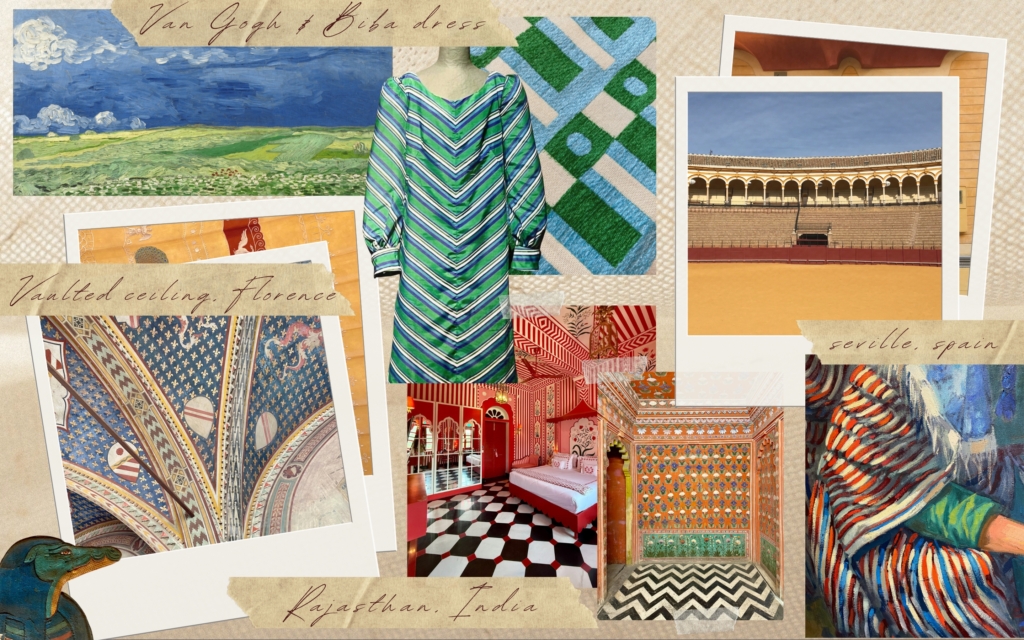
We explored numerous colour combinations, adjusting cotton warps and coloured horsehair wefts, refining stripe widths by millimetres. The proportion of a stripe alters everything. Too narrow and it becomes busy; too wide and it dominates. Finding balance was integral. There was a huge amount of research and sampling behind the final collection. What appears effortless on the surface is the result of meticulous adjustments to scale, proportion and tone.
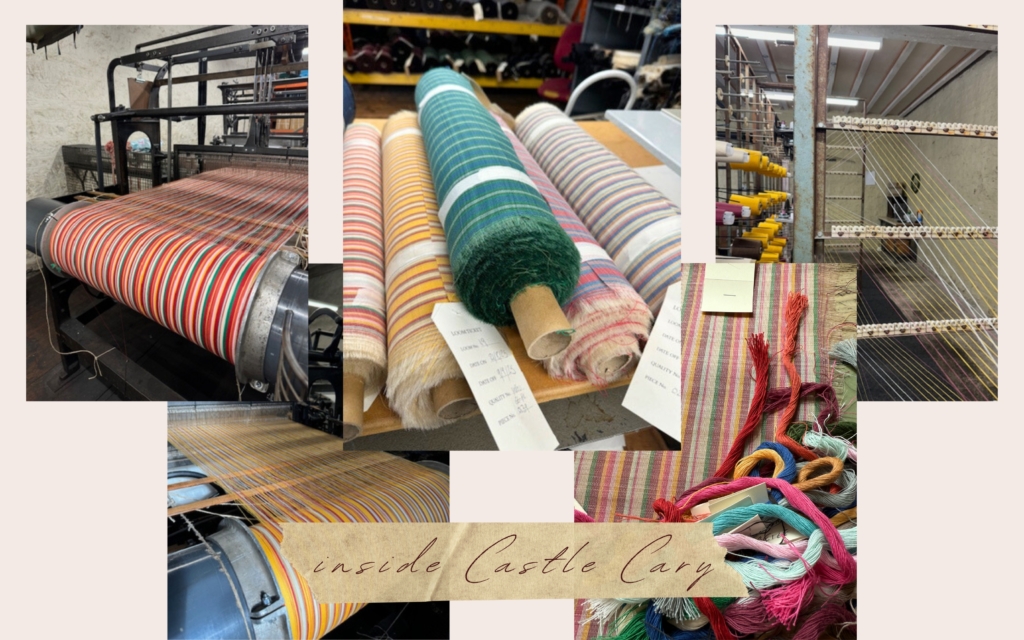
At the Looms in Castle Cary
Horsehair has been woven here since 1837 using traditional techniques refined in 1870. English horsehair fabric is woven from the finest tail hair combined with cotton or silk warps and is one of the most hard-wearing natural upholstery textiles in existence. The distinctive structure of the woven hair allows the cloth to hold its shape beautifully over time. It is naturally durable, fire resistant and acoustically effective, qualities that have long made it the textile of choice for grand country houses, tailored upholstery and distinguished interiors. With its deep heritage, it feels surprisingly fresh for today.
Seeing our stripes emerge from those historic looms was incredibly exciting, knowing that our designs first conceived through photographs, sketches and samples were finally coming to life.
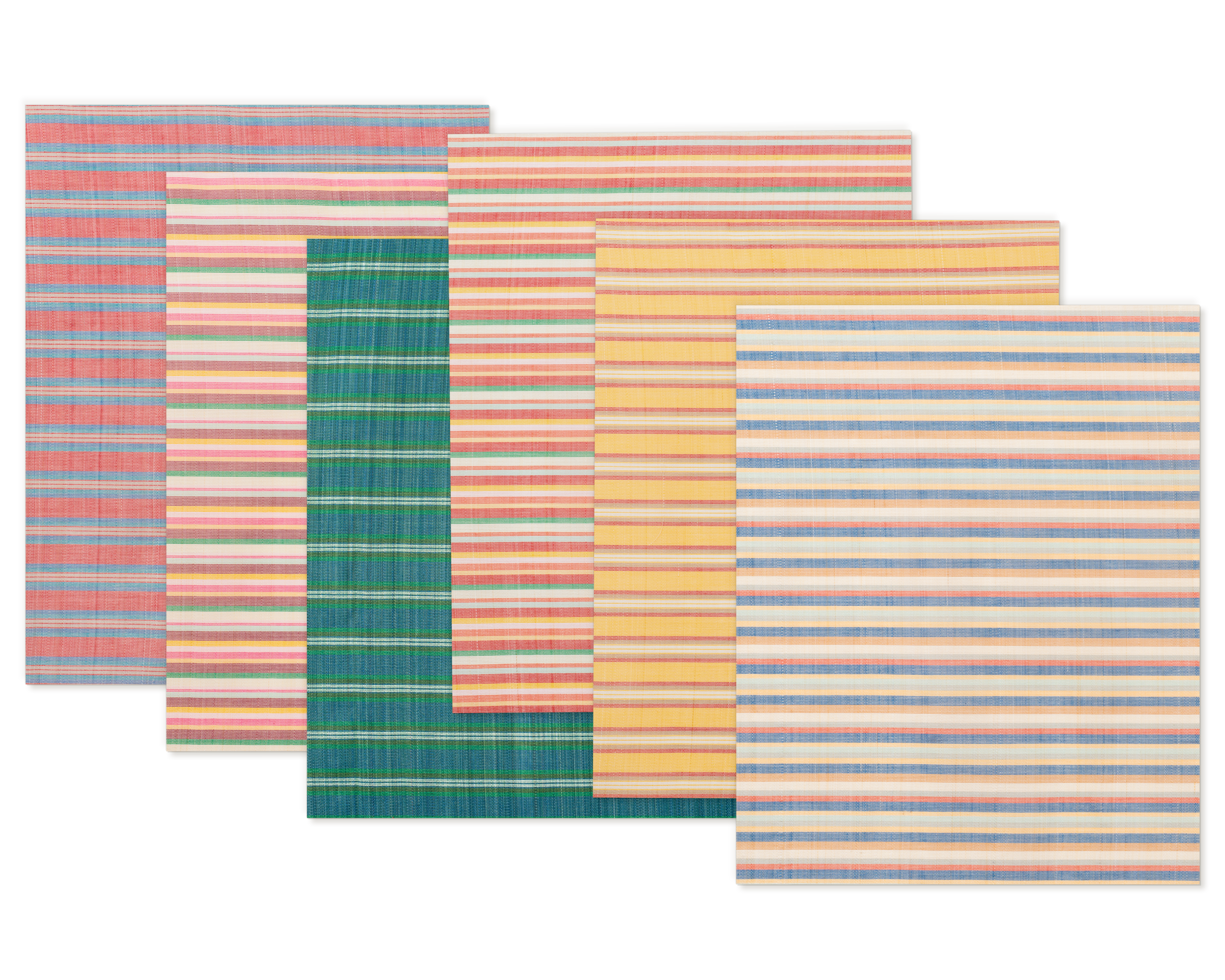
From Fabric to Form
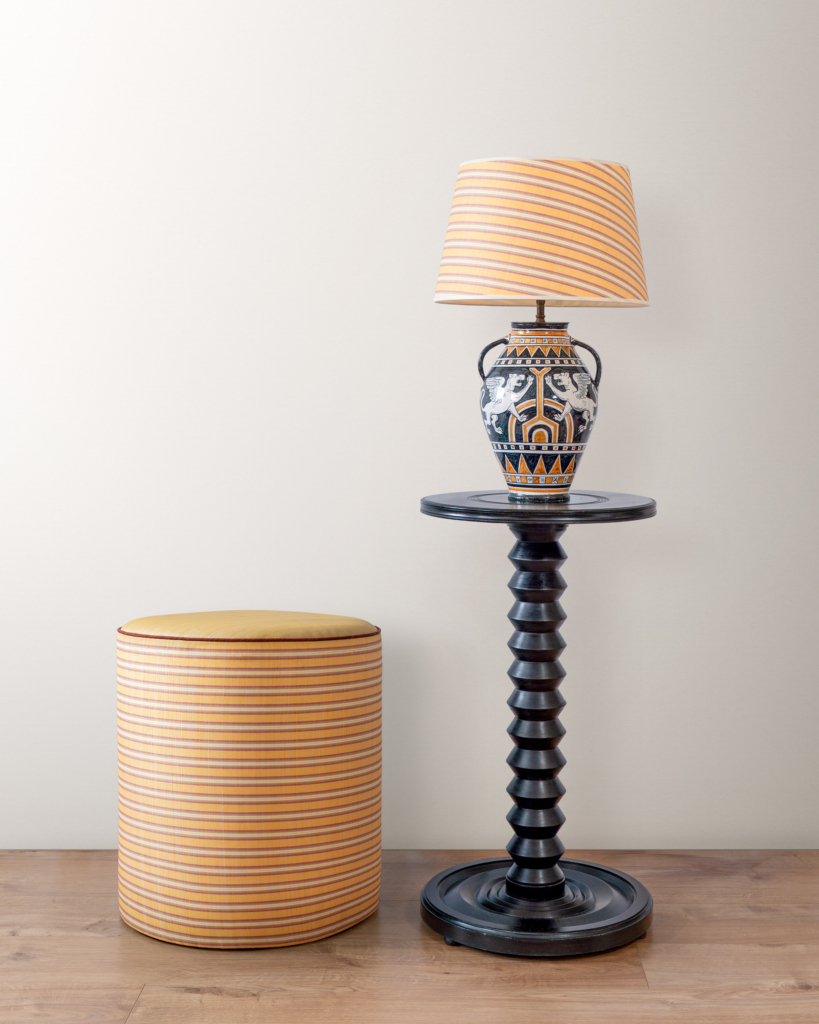
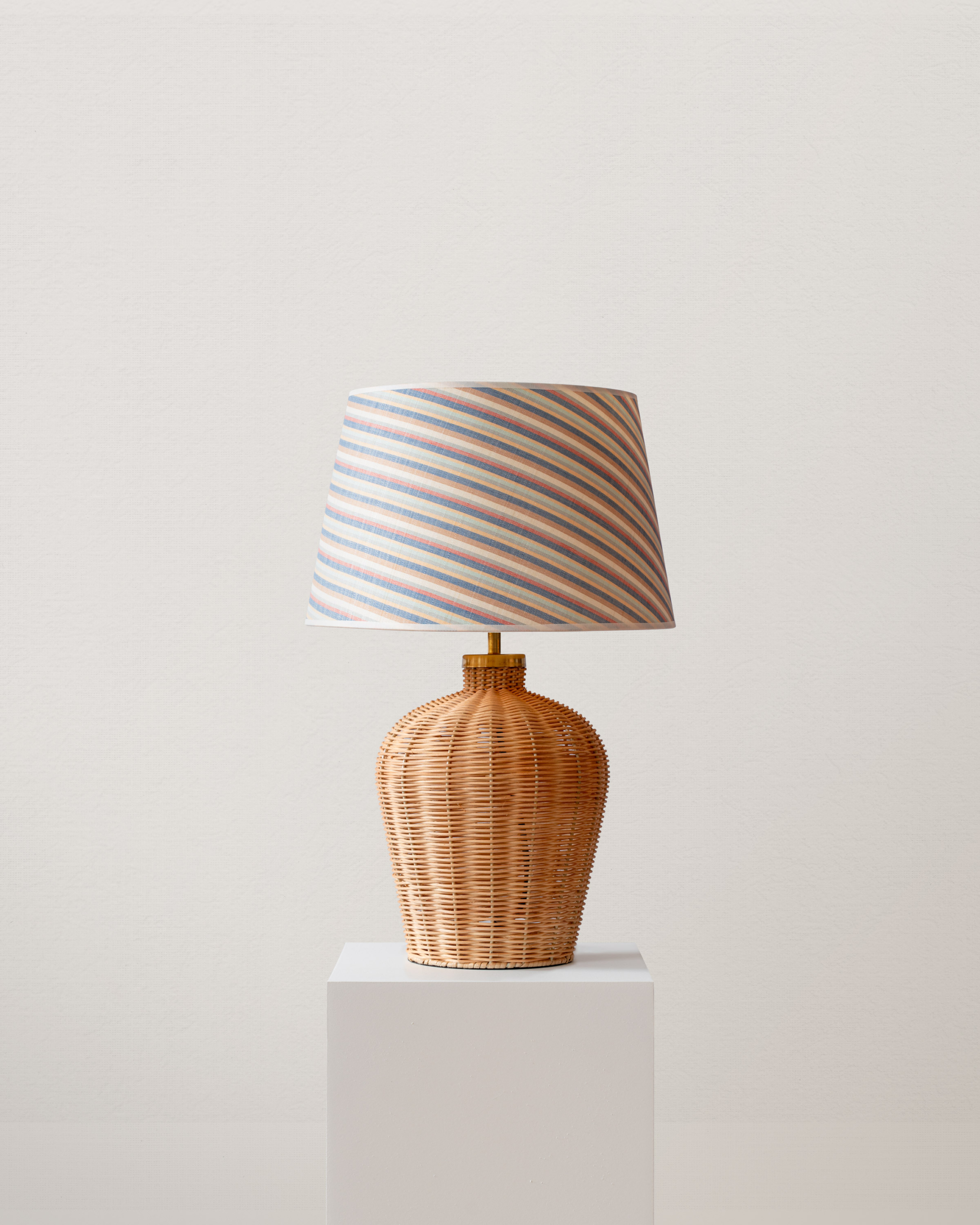
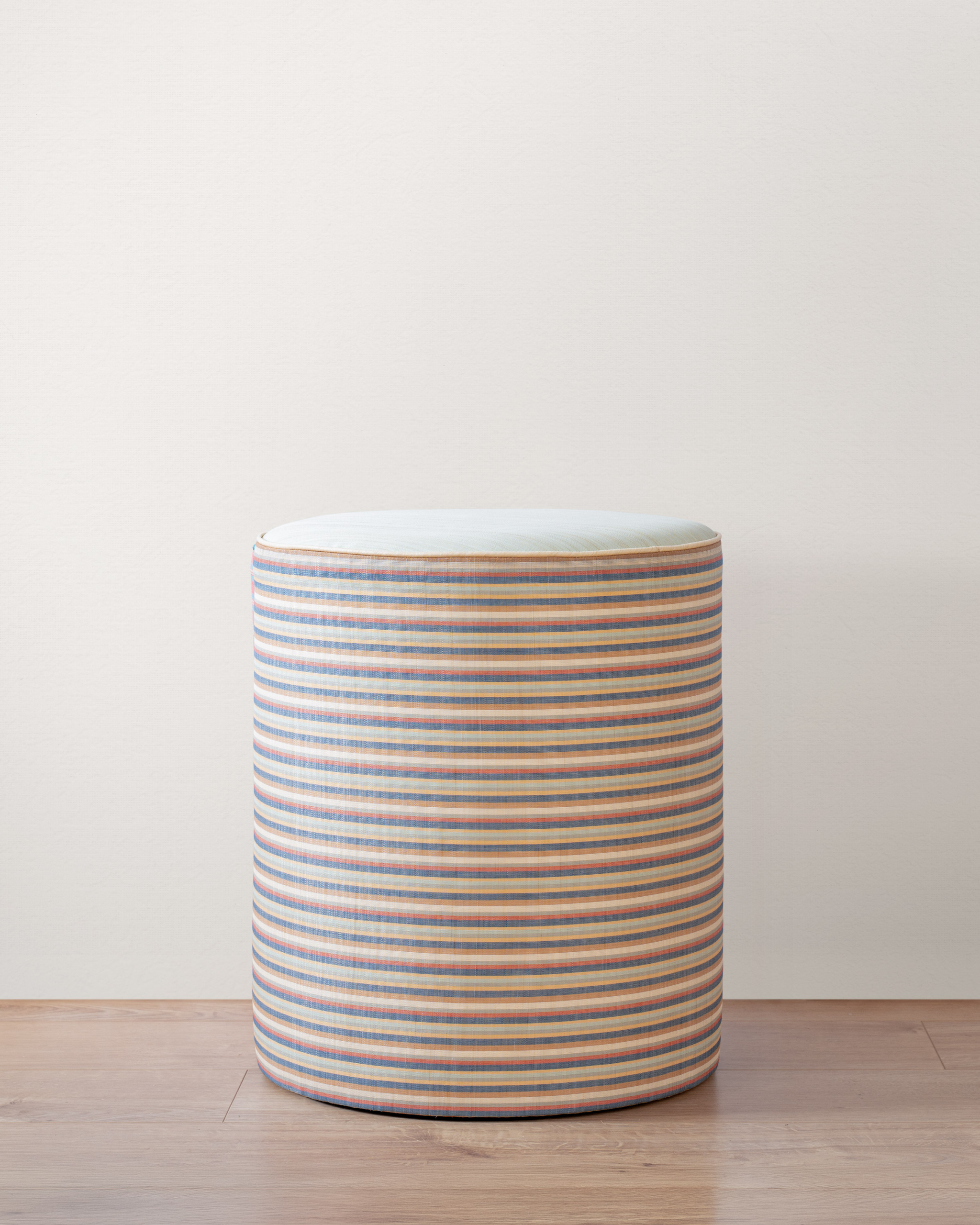
The collaboration has inspired us to introduce two new signature Oakley Moore pieces: a handcrafted horsehair lampshade and a sculptural drum stool, both made in the United Kingdom.
Our Flynn Drum Stool, with its clean cylindrical form, provides a perfect canvas for the movement of the stripe, whilst the Burton Lampshade introduces structure and character to a room without overwhelming it.
My intention with both pieces was simple: to create designs that sit effortlessly within all styles of interior, from coastal to contemporary and traditional to Scandinavian. Horsehair has a distinguished history and, in this context, still feels crisp and relevant today. I have adored this design process, and I am very proud of the result, a versatile collection that feels both timeless and confidently modern.